
Our Commitment to Transparency
Honest Information, Every Step
Clear information about risks, recovery and alternatives for every treatment.
- Risks
- Recovery
- Alternatives
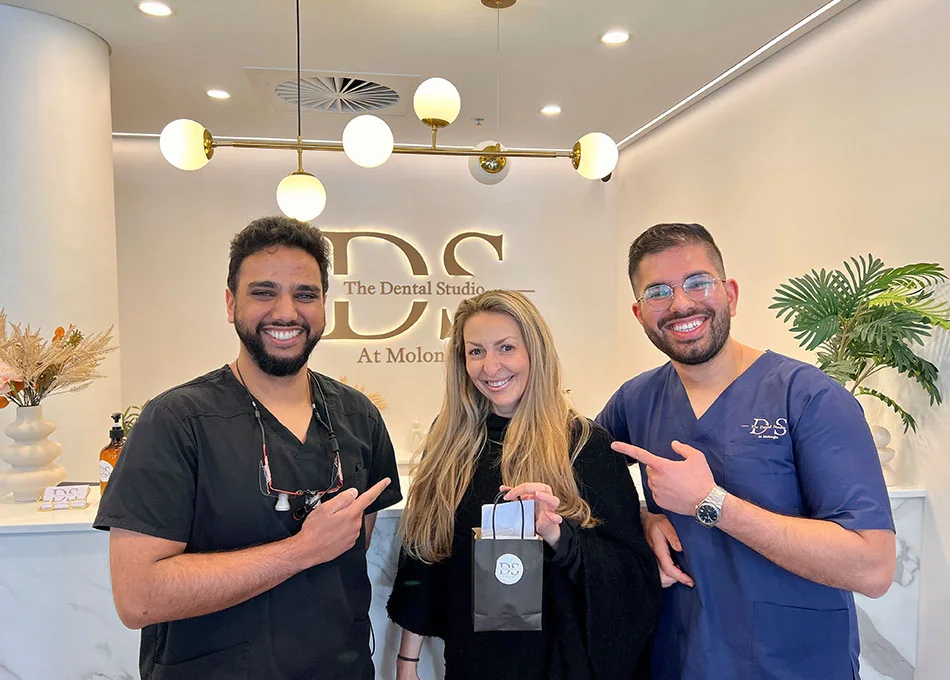
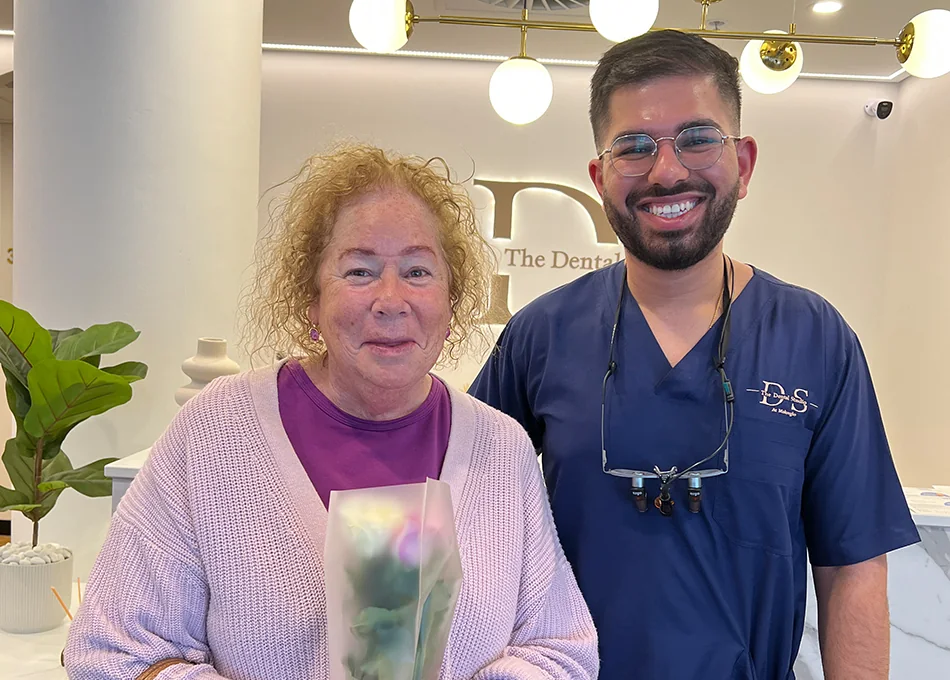
Our Commitment to Transparency
We believe great care starts with honest information. Every treatment, like any procedure, can carry risks, and we want you to feel fully informed and confident in every decision. This page sets out the risks, recovery and alternatives for each treatment we provide. Your dentist will go through everything that applies to you at your consultation, and you can always ask us anything.
Treatment risks, recovery and alternatives
Veneers usually need irreversible removal of some natural tooth structure, so the tooth will always need to be covered or restored. Possible risks include:
Risks
- Tooth sensitivity to hot and cold
- Chipping or cracking of the veneer
- The veneer coming loose (debonding)
- Gum irritation or gum recession around the veneer
- Colour not exactly matching neighbouring teeth
- Decay at the edge of the veneer if oral hygiene is not maintained
- Nerve irritation, which may need root canal treatment
- Staining at the edges of the veneer
- A change in your bite
- The final look may differ from a preview or mock-up
- Grinding or clenching increases the risk of damage, and a night guard may be advised
- Preparing teeth for veneers usually removes some enamel, which cannot be reversed. The final veneers may look slightly different from your trial smile.
Recovery
- Porcelain veneers usually take two or more visits over a few weeks. Composite veneers are often done in one visit.
- Numbness from the local anaesthetic usually wears off within a few hours.
- Teeth can be sensitive to hot and cold for a few days to a few weeks after preparation and fitting.
- Temporary veneers can feel rough, look different from the final veneers and may come loose.
- Your bite and speech may feel different at first while you adjust.
- A review appointment checks the fit and your bite. Contact us if pain gets worse, a veneer feels loose or your bite feels wrong.
How long results last
How long veneers last varies between people and cannot be guaranteed. Veneers will need repair or replacement in the future, at additional cost. Composite veneers may stain, wear or chip sooner than porcelain and may need polishing or repair more often.
Alternatives
Teeth whitening, composite bonding, orthodontic treatment, crowns, or no treatment. Veneers are an elective cosmetic treatment.
Possible risks include:
- Tooth sensitivity during and after treatment. This is common and usually temporary, but can last longer in some people.
- Irritation or burning of the gums, lips or soft tissues from the whitening gel
- Uneven or patchy colour, particularly where teeth have white spots or different levels of staining
- Some stains, such as those caused by certain medications, tooth injury or developmental conditions, may not respond to whitening
- Whitening does not change the colour of existing fillings, crowns, veneers or bonding. These may no longer match your natural teeth and may need replacing, at additional cost.
- Overuse of whitening products can damage teeth and gums
Who whitening may not suit
Whitening is generally not recommended during pregnancy or breastfeeding, for children, or where there is untreated tooth decay, gum disease, cracked teeth or exposed roots. A dental examination is needed first.
Recovery
- Sensitivity and gum irritation usually settle within a few days.
- Your dentist may suggest avoiding strongly coloured food and drink, and smoking, for a short time after treatment.
- Contact us if sensitivity is severe or lasts longer than expected.
How long results last
Results are not permanent. Colour can return over time, especially with coffee, tea, red wine or tobacco, and touch-ups may be needed.
Alternatives
A professional scale and clean, composite bonding, veneers, or no treatment.
Implant treatment is surgery. Possible risks include:
- Pain, swelling, bruising, bleeding and infection
- The implant failing to integrate with the bone, needing removal or replacement
- Damage to nearby teeth, nerves or blood vessels. Nerve injury can cause numbness or altered sensation in the lip, chin, tongue or gums, which is occasionally permanent.
- Damage to neighbouring teeth
- Sinus complications for upper implants
- Gum recession and bone loss around the implant
- Loosening or fracture of the implant, screw or crown
- The need for bone grafting or other additional procedures, at extra cost
- Smoking, diabetes, gum disease and poor oral hygiene increase the risk of failure
Recovery
- Pain, swelling and bruising are common for several days after surgery. Your dentist will advise on pain relief.
- You may need a soft diet and to avoid strenuous activity for a short time. Some people need time off work.
- Integration with the bone usually takes a few months before the final crown or bridge is fitted. Bone grafting, if needed, adds healing time.
- Review visits check healing.
How long results last
How long an implant lasts varies between people and cannot be guaranteed. Implants need daily cleaning, regular reviews and repairs, and the crown or components may need replacing over time.
Alternatives
A bridge, a denture, or no treatment.
All the risks listed for dental implants apply. In addition:
- Full arch treatment is major surgery and often involves removal of remaining teeth
- One or more implants may fail, which can need further surgery or a change to the treatment plan
- Provisional (temporary) teeth can fracture or loosen
- Changes to speech, bite and comfort are common while you adjust
Recovery
- Recovery from surgery usually takes several weeks, and full healing takes months.
- Expect swelling, bruising and discomfort for the first week or more, and a soft diet during healing.
- Plan time off work after surgery. Your dentist will advise how long.
- The final teeth are fitted after the implants have integrated, followed by regular hygiene visits and reviews, which are essential.
- Temporary teeth are fitted within 24 hours. They can chip, crack or loosen, and a soft diet is needed while you heal. If an implant is not stable enough on the day, the timing of your temporary teeth may change.
How long results last
How long full arch treatment lasts varies between people and cannot be guaranteed. The final teeth may need adjustment, repair or replacement over time.
Alternatives
Conventional dentures, implant supported overdentures, fewer implants with a partial restoration, or no treatment.
All the risks for dental implants apply. Because pterygoid implants sit at the very back of the upper jaw, close to blood vessels and the muscles that open the jaw, there can also be bleeding (occasionally significant), swelling, bruising or a sore throat for several days, temporary jaw stiffness, the implant not integrating and needing removal, or the planned implant not being placed on the day. The area is harder to reach when cleaning, so home care and hygiene visits matter.
Recovery: swelling and stiffness are common in the first week.
Alternatives: sinus lift or bone grafting with conventional implants, shorter or angled implants, zygomatic implants (by referral), a removable denture, or no treatment.
Treatment can take months to years and needs regular reviews. Possible risks include:
- Tooth and gum soreness
- Root shortening (root resorption)
- Gum recession
- Decalcification (white marks), decay and gum disease if oral hygiene is poor
- Tooth mobility, changes to the bite, and jaw joint discomfort
- Some cases need extra procedures such as small attachments, reshaping between teeth or refinement aligners
- Not all cases can be treated with aligners
Recovery
- Pressure or tenderness is common for a few days after each new aligner or adjustment.
- Aligners can briefly affect speech, and braces can rub the cheeks and lips at first.
- Aligners must be worn as directed. Results depend on this.
How long results last
Teeth can move back after treatment, so retainers are needed long term. Replacement retainers cost extra. The predicted outcome shown in planning is a plan only, and the final result cannot be guaranteed.
Alternatives
A different orthodontic option, referral to a specialist orthodontist, or no treatment.
Crown preparation removes tooth structure, which is irreversible. Possible risks include:
- Sensitivity
- Nerve irritation that may need root canal treatment
- Decay at the crown edge
- Gum irritation
- Chipping or fracture of the crown
- Loosening or loss of the crown
- Colour mismatch with neighbouring teeth
- Grinding increases the risk of damage
Recovery
- Some sensitivity to hot or cold for a few days is common.
- A temporary crown is worn while your crown is made. It can feel different and may come loose.
How long results last
Crowns are not permanent. How long a crown lasts varies with the material, the tooth, your bite and home care, and it may need replacing.
Alternatives
A filling, an onlay, extraction, or no treatment.
Bridge preparation removes structure from the supporting teeth, which is irreversible. Possible risks include:
- Sensitivity
- Nerve irritation that may need root canal treatment
- Decay under or around the bridge
- Gum problems
- Loosening, fracture or failure of the bridge
- Loss of a supporting tooth
- Preparing the supporting teeth for crowns removes tooth structure, which cannot be reversed.
Recovery
- Some sensitivity to hot or cold for a few days is common.
- A temporary bridge is worn while your bridge is made.
- You will need to clean under the bridge every day. Your dentist will show you how.
How long results last
Bridges are not permanent. They need careful cleaning and regular reviews, and may need replacing.
Alternatives
A dental implant, a partial denture, or no treatment.
Removal is a surgical procedure. Possible risks include:
- Pain, swelling, bruising, bleeding and limited mouth opening
- Infection
- Dry socket (a painful, delayed healing of the socket)
- Damage to nearby teeth and fillings
- Bruising or damage to nerves near the lower wisdom teeth, causing numbness, tingling or altered taste in the lip, chin, tongue or teeth, which may occasionally be permanent
- A connection between the mouth and sinus for upper teeth
- Rarely, fracture of part of the jaw
Recovery
- Recovery takes days to weeks and varies between people.
- Swelling is usually worst two to three days after surgery.
- You will need soft food at first and may need time off work or study.
- Contact us if pain gets worse after the first few days, or if you have a bad taste, fever or increasing swelling.
Alternatives
Monitoring the tooth, or no treatment.
Tooth removal
Risks include pain, bleeding, swelling, infection, dry socket, damage to nearby teeth and, occasionally, nerve injury or sinus involvement.
Root canal treatment
Risks include pain, swelling, infection that persists or returns, a fractured instrument or tooth, the need for retreatment, and eventual loss of the tooth.
Recovery
- Tenderness for a few days after either treatment is common.
- After a tooth removal, follow the aftercare instructions to protect the blood clot while the socket heals.
- After root canal treatment, a crown is often needed to protect the tooth.
How long results last
Root canal treatment aims to keep the tooth, but success cannot be guaranteed and the tooth may still be lost in the future.
Alternatives
For root canal treatment: extraction, with or without replacing the tooth, or no treatment. For tooth removal: keeping the tooth with other treatment where possible, or no treatment.
- X-rays involve a small dose of ionising radiation and are taken only when clinically indicated.
- A CBCT scan gives a 3D view and involves a higher radiation dose than a standard dental X-ray. It is only taken when clinically indicated.
- A professional clean can cause temporary sensitivity and gum tenderness, especially where there is heavy tartar or gum inflammation.
Local anaesthetic causes numbness that usually wears off within a few hours. Avoid hot drinks and chewing until it wears off, so you do not burn or bite your lip, cheek or tongue. Less commonly it can cause bruising, a fast heartbeat for a short time, or numbness that lasts longer than expected. Allergic reactions are rare. Tell us about your medical history and any medicines you take before treatment.
Oral sedation is a prescribed medicine taken before your appointment to help you feel more relaxed, provided after a review of your medical history and medicines. It can cause drowsiness, unsteadiness and patchy memory for the rest of the day, and rarely slowed breathing, unexpected agitation or an allergic reaction. It can interact with alcohol and some medicines. A responsible adult must take you home and stay with you, and you must not drive, operate machinery, drink alcohol or sign legal documents for 24 hours.
Alternatives: local anaesthetic alone, or referral for sedation elsewhere.
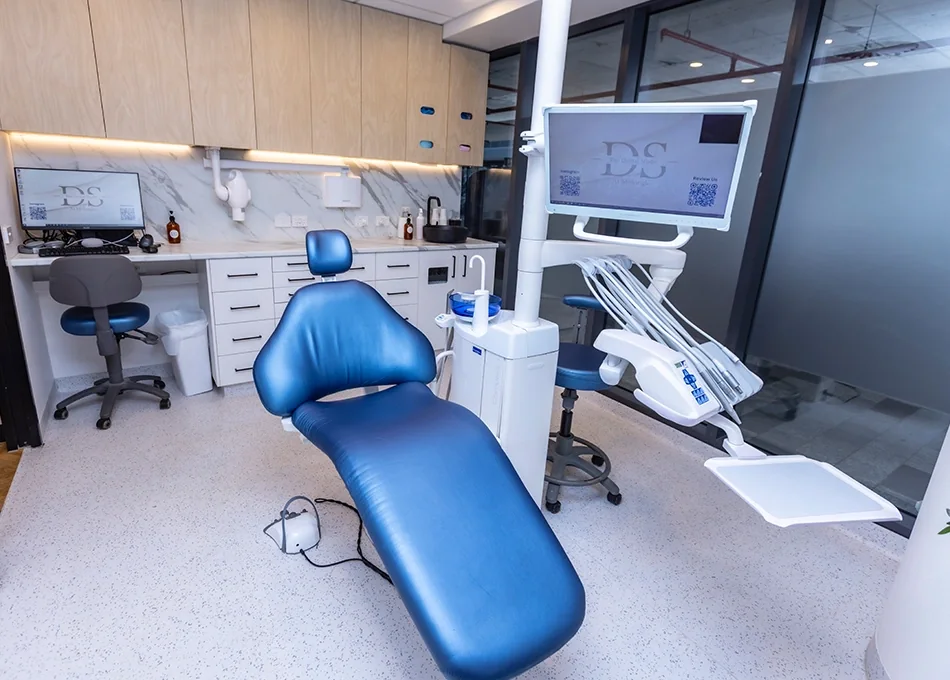
When to contact us
Call us on (02) 6105 9291 during opening hours if pain, swelling or bleeding gets worse instead of better, or if you have a fever after treatment.
If you have difficulty breathing or swallowing, or swelling spreading to your eye or neck, call 000 or go to your nearest emergency department.
If you have a concern about your care, please tell us first so we can try to resolve it. You can also contact the ACT Health Services Commissioner or Ahpra.
Our dentists
- Dr. Bhanu Shamdasani (DEN0002585869) Registered dentist, general registration
- Dr. Joyce Ng (DEN0004045545) Registered dentist, general registration
- Dr. Adi Shah (DEN0001928065) Registered dentist, general registration